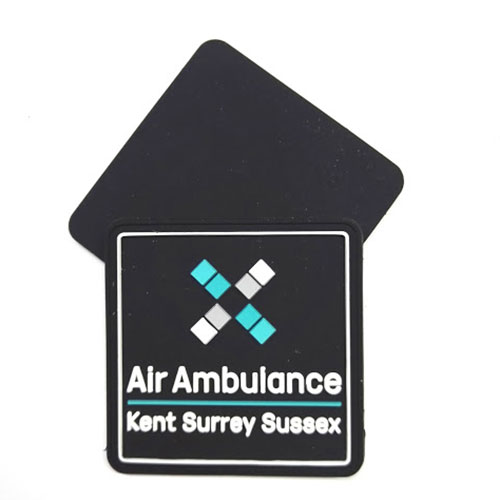
PVC patches are made by filling a mould with coloured material, which gives a raised, rubbery badge with crisp edges. The result looks different from a stitched patch: glossy or matte, solid in colour and clear in outline. Brands that contact PVC Patches Manufacturers in Delhi usually bring a logo, a size and a quantity, and Shero Creations can review how the artwork might translate into a mould.
The artwork is split into colour zones and raised areas, and a mould is prepared for the shape. Simple outlines and strong colour blocks translate best. A design with many tiny elements may need to be simplified so that every part still reads clearly at patch size.
Buyers of PVC Patches in Delhi come from many places: security firms, delivery companies, school clubs, bag makers and sports teams. Each wants a badge that survives sun, rain and rough handling. Share the quantity, the item it will sit on and the date you need delivery.
Colours sit in separate areas divided by thin walls, so very small patches of colour are difficult. Two to five bold shades usually look neat. Provide references and ask how closely each shade can be matched, then compare the sample in daylight.
A PVC patch can be fitted with a sew-on flange, hook-and-loop backing or adhesive, depending on the design. Hook-and-loop is handy when the patch must be swapped between uniforms, while sewing suits long-term use. Describe the surface so the right option can be discussed.
Compare the sample against your approved artwork on a light table or in daylight. Look at colour accuracy, edge neatness and any visible mould lines. Press the backing and see whether it holds. Send corrections in writing and keep a copy of the approved sample for comparing the bulk delivery.
Stack patches flat and keep them away from heat and direct sun until they are applied, because soft materials can warp if left in a hot room or a car. Store hook-and-loop backings facing each other only if the supplier advises it. If the patches will wait a long time before use, ask how they should be packed and whether a silica sachet or a sealed bag is sensible for your climate.
When comparing PVC Patches Suppliers in India, ask about mould cost, sample timing, colour accuracy and backing strength. Share artwork, quantity and delivery place in the first message so that each reply is about your order, not a generic catalogue.
Moulds can involve setup cost, and changing the design later may mean making a new one. Ask whether the mould can be kept for repeat orders. Keep the approved artwork, colour list and size on record so later batches match the first.
Customers abroad who are looking at PVC Patches Exporters in India should send the destination, patch size, quantity, backing type, packing format and the date required. Requirements differ by market, so confirm specification, paperwork and shipping terms in writing, and treat any schedule as provisional until both sides agree.
Share artwork, size, backing and quantity. Materials, customisation options, minimum quantities, lead times and shipping are confirmed for each order, so a full brief helps you receive advice that fits.
Why choose PVC patches?
They give raised designs with solid colour.
Is a mould required?
Moulded designs may involve tooling.
Which backings exist?
Sew-on, hook-and-loop and adhesive can be discussed.
How many colours?
It depends on artwork. Clear zones work best.
What do I send for a quote?
Artwork, size, backing, quantity and date.
How do I clean them?
Wipe with a damp cloth.